

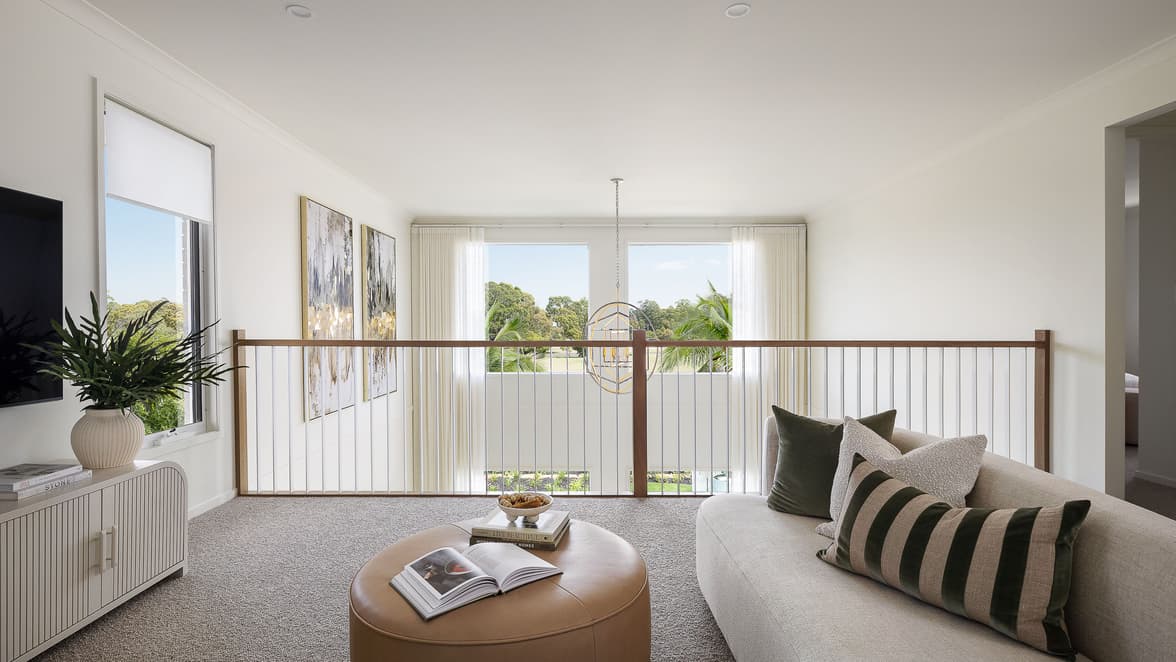
Create a home that feels airy and elevated with a void, a design element that enhances airflow, connects levels and floods your space with natural light.
A house void can be the foundation of a grand entryway where a double-height ceiling and high-set windows flood the space with natural light. Or create a bright, open feel in your living or dining area with a void above — perfect for modern family living or effortless hosting. Add statement lighting or sculptural elements and, suddenly, your space becomes a design masterpiece.
Voids are a powerful design tool. No matter if you're building from scratch or renovating your existing home, a void is a stunning feature that brings and light and volume to make your living space feel bigger and brighter.
What is a void in a house?
Understanding the purpose of a void within house plan designs helps you decide if it's right for your home.
A void is a deliberately designed open space between the upper and lower levels of a two-storey home. It creates a double-height space that extends to the upper floor. A void will be clearly marked on the floor plan and will have an impact on the home's flow and layout.
Voids are often placed above entryways or living areas. They add architectural depth, redefining the space while enhancing natural light and airflow to create a bright and inviting atmosphere. When placed in the entryway or main living area, this welcoming feel can flow through the entire home, offering comfort to homeowners and their families while providing a warm welcome for guests.
When choosing a double-storey house plan with void, check its placement and impact on room sizes. They can be located within a living room, dining space, entryway and even a kitchen, and are quickly becoming a staple within contemporary Australian architecture... and for good reason.
Voids bring a sense of openness and spaciousness, increasing the visual connectivity between primary areas in a home. They are highly impactful, enhancing the flow and feel of a space and turning rooms into lively hubs of activity and relaxation.
Double-storey voids: A great feature in home designs
A void can transform the look and feel of your home. The most common placement is above the living area, a strategic positioning that creates a sense of openness. Bringing in natural light and connecting the levels of your home, it is an ideal choice for families or anyone who loves to entertain.
If you are considering a void house design, structural factors will play an important role. The size, shape and placement of the void can have an effect on the aesthetics, functionality and flow of your space. How light moves through your home, air circulates and rooms connect with one another can all be impacted by your void's position. Think carefully about its design to ensure the void complements your overall layout and improves the liveability of your space.
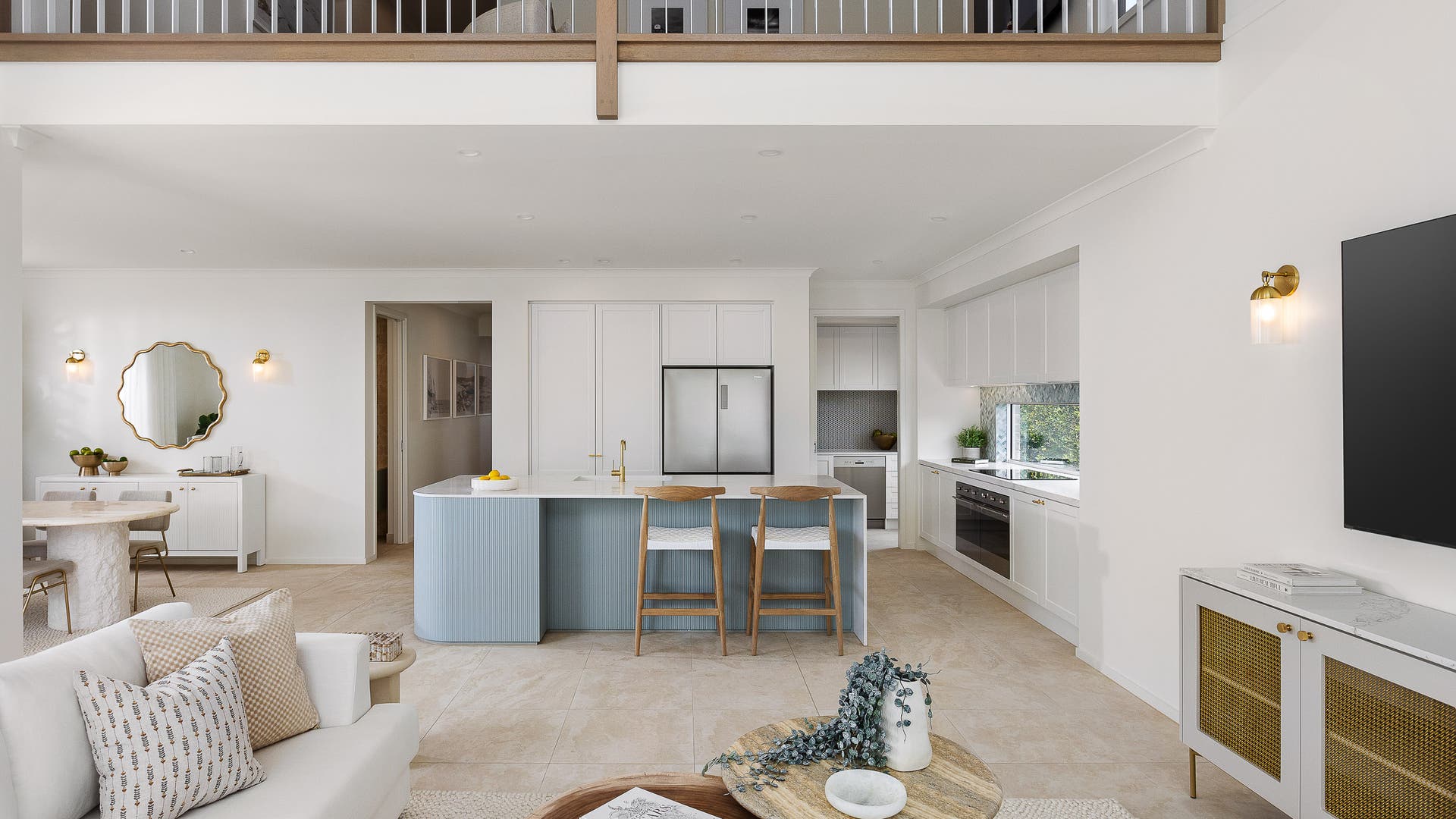
Why choose a home design with a void?
An incredible design feature, a double-storey void enhances light, space and drama. It is the perfect solution for creating a brighter, more open home, which is becoming a growing desire among homeowners who want spacious, light-filled living areas.
Natural light and ventilation
Paired with well-placed windows, a void can increase natural light and boost cross-ventilation in your house. This will make your home feel more open and airy, and boost energy efficiency. With improved airflow, your living space will feel naturally cooler, reducing any reliance on air conditioning. The natural light from expansive windows or skylights will lessen your need for artificial lighting, and adding double-glazed windows can reduce heat transfer, which will lower your energy bills further.
Dramatic element
In modern homes across the country, voids are quickly becoming a popular inclusion for creating dramatic spaces. For homeowners, they bring a sense of grandeur and flow, transforming everyday living. For guests, they act as a stunning focal point, drawing the eye and leaving a lasting impression. The presence of a void adds a touch of style, setting the tone for the entire home.
Visually connect living spaces
Voids can make your space feel instantly larger and more spacious. They are designed to give you a sense of space, air and light. In any-sized home, voids are a great way to improve flow and connection between different spaces and across levels. In a double-storey home, a void can visually link the master suite with the living areas below, creating a sense of openness and continuity across the home. From upstairs, you can look down and feel connected to the family areas or entryway below. This transforms the experience of moving through the home, making it feel less compartmentalised and more integrated.
Aesthetic appeal
Undeniably, voids do add visual appeal to a home. Designed to make an impact and deliver grandeur, a well-placed void has the power to turn a living space into an interior showstopper. Soaring ceilings give you the room to display decorative items in an entryway, add ornate hanging features in the main living area, or add a sophisticated mezzanine to your dining room — ideal for hosting parties or family gatherings.


5 things to consider when choosing a floorplan that features a void
A void in house plan can transform your home with light, space and architectural impact, but it also affects layout, energy efficiency and functionality. Here's what you must consider before choosing a void design:
1. Impact on heating and cooling
While voids create open and airy spaces, they can also make it harder to regulate indoor temperatures. Warm air rises, so heating may be less efficient in winter, and cooling costs could be higher in the warmer months.
2. Noise transfer between floors
Sound travels more easily in homes with voids, which can reduce privacy and increase noise levels between floors. If this is a concern, consider acoustic insulation or zoning spaces wisely.
3. Structure and design
A double-height void will influence the overall layout and design of your home. Upper floor space, which could otherwise be used for extra rooms, will be reduced. Ensure a void meets your household's space needs.
4. Space availability
Space is key when considering void home designs. In larger homes, it enhances openness, but in compact designs, it means sacrificing upper-floor space. If you're working with limited space, think about whether the void will improve the overall flow and feel of the home or if it will take away from functional living areas.
5. Maintenance and cleaning
High ceilings and large windows in voids can be tricky to clean and maintain. Before choosing a home design with void, consider accessibility for dusting, light fixture changes and window cleaning.


Designing a void in your home: Balancing space and functionality
When choosing between a void and extra living areas, it's important to consider how each will impact your lifestyle. A void adds a sense of space without expanding your floor plan.
However, if you need more practical, usable space for a growing family or entertainment, a void may not be the best choice. Extra bedrooms, a study or a second living area might serve you and your lifestyle better.
Elevate your interiors with smart void design ideas
- Feature lighting options: A statement chandelier or cascading pendant lights can turn your void into a striking centrepiece. Recessed lighting adds subtle elegance and warmth.
- Feature walls: A bold accent wall, textured panelling or modern wallpaper can define the space and add visual interest without overwhelming the openness.
- Balustrades: Voids are often placed alongside stairways, creating a smooth connection between levels. Glass balustrades enhance this, creating an uninterrupted flow of light and space, making the area feel more expansive. Sleek metal balustrades, especially in minimalist designs, add a modern element while offering safety and structure.
- Decorative elements: Floating shelves provide a functional spot to display personal items like books, art, photos or decorative pieces, making the space feel curated and unique. Hanging greenery introduces a touch of nature and freshness, bringing personality and a lived-in warmth.
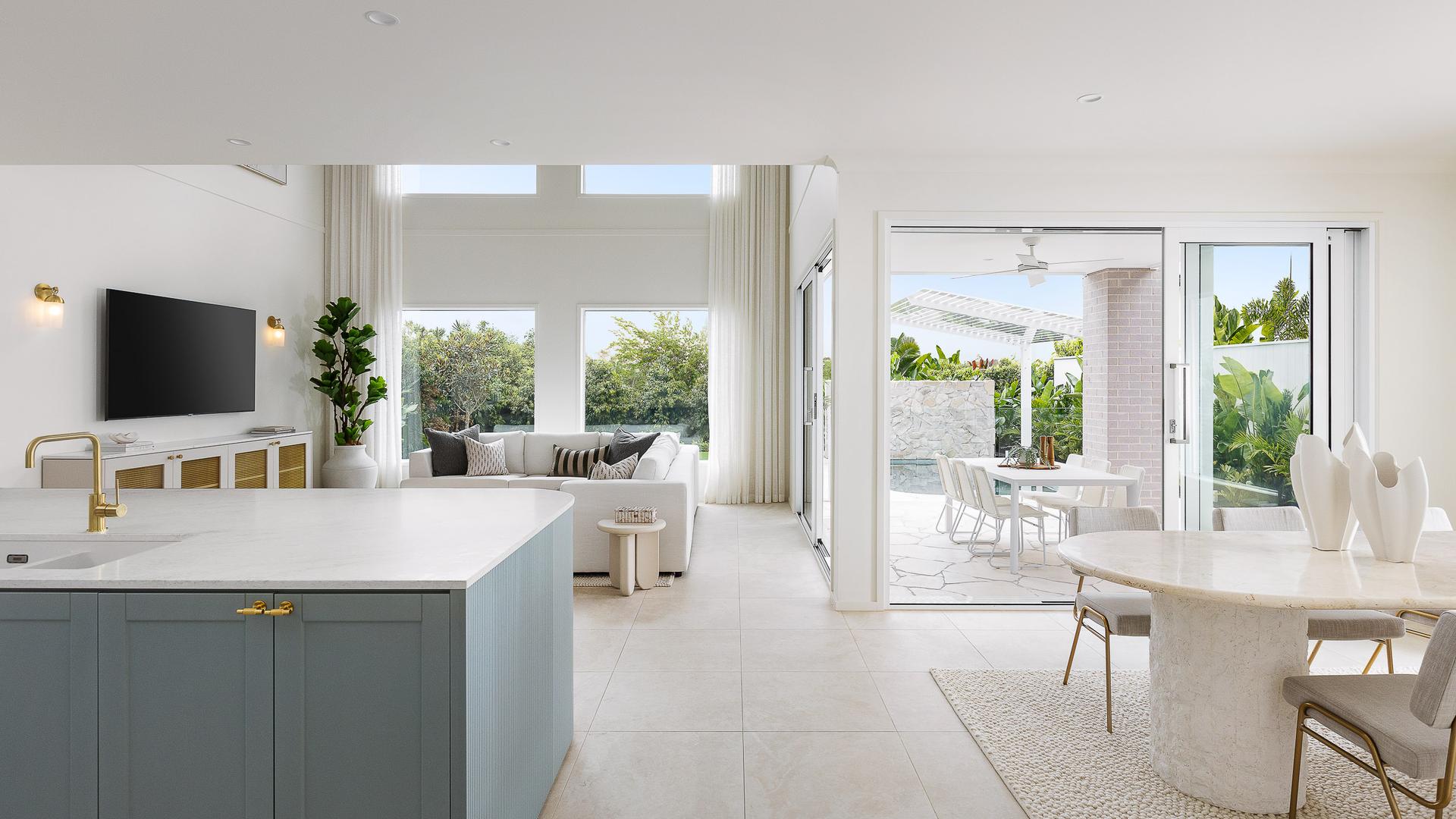
Bring light, space and style together with a void house design
Voids are an inspiring design feature and are growing increasingly popular in modern home design. Creating a dramatic impact, inviting more light, enhancing airflow and adding an undeniable sense of space, voids could be the perfect inclusion in your home.
Our two-storey floor plans that include voids in their standard design can be found here. These which all make use of voids to maximise space and light. Several other designs, including the European 379-D41 and the Modena 389-D42, have voids as a catalogue option at an additional cost.
Exploring our void house designs is just the beginning. Seeing a double-storey void in person is the best way to appreciate how a void transforms a home. There's nothing quite like it. Visit our Display Homes to get inspiration and turn your vision into a living space you love.
Want to find out how a void will work for you? Get in touch. We can explore the best placement and ideal size to ensure it aligns with your needs, because good house design should suit your life, not just your style.


