

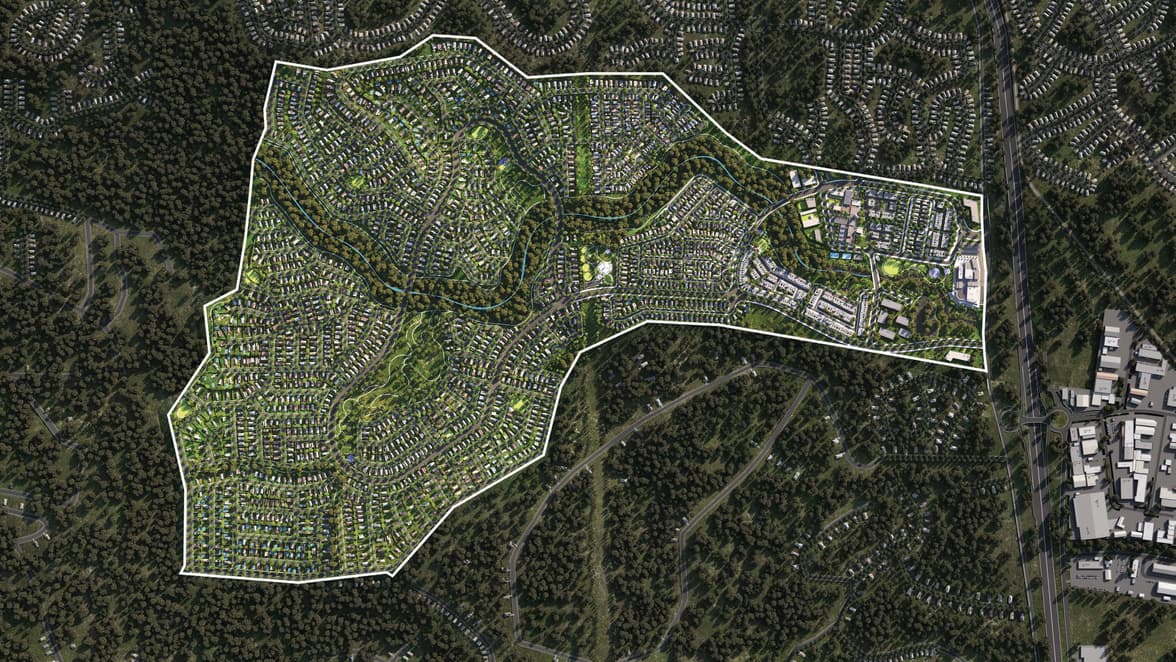
Buying land in a new estate? You've probably thought about price, location and size. But have you heard about building covenants? These aren't just legal fine print. They are an essential consideration for people considering buying into an estate, and put simply, they tend to outline a set of conventions for properties built within the estate. The type of facade, the home’s proximity to the road and the height of fencing some simple examples.
In Queensland, building covenants can significantly impact what you can and can't do on your property. So it's important to have a clear understanding of them and how they might affect your home design.

What is a covenant in property?
Building covenants are rules attached to land that place restrictions—or sometimes obligations—on how a house or other structures can be built on the land. Typically, the original developer of the estate puts them in place, making sure the development holds to certain standards—no matter who owns the land in the future.
These rules are legally binding. So if you sign on the dotted line, you're making an agreement to comply with the obligations imposed. In Queensland, building covenants, also referred to as property covenants or land covenants, apply in many new estates. You might also hear the terms design guidelines and estate covenants—this often refers to the same thing.
Restrictive covenants vs. positive covenants
Restrictive covenants prevent you from doing something (like building a front fence above a certain height), while positive covenants require you to do something (like maintain a shared driveway or build to a minimum size).
Why they exist and why they're important?
Estate developers want to create neighbourhoods that last. Most building covenants help achieve that. They maintain a standard across the homes and buildings in their estates, ensuring the neighbourhood stays attractive, streetscapes well-kept, property value strong and the whole development aligned.
Covenants ensure every house within a development conforms to a shared set of rules. The result is a more cohesive look and feel, often including similar setbacks, building materials, garage placements, colour palettes and landscaping. The area becomes more attractive to future owners, which helps maintain or increase resale values.
For residents, covenants can offer peace of mind. You know the dwelling next door won’t suddenly be painted neon green or have a shipping container installed in the front yard.
Property covenant examples in Queensland
Covenants vary from one estate to another, but here are some common examples of what covenants might include:
- Design and layout: Some estates require particular styles or roof pitches, or limit certain architectural features.
- Façade requirements: There may be a need for a specific mix of materials (e.g. brick and render), a minimum number of windows or certain entry features.
- Building materials: Some estates specify what types of cladding, roofing or finishes you can use.
- Approved colour palettes: You may be limited to using certain tones or shades on your home’s exterior.
- Setback and boundary rules: These define how far your home must be from the front and side boundaries.
- Landscaping and fencing: You might be required to plant a certain number of trees, use a particular turf or build fences to a specific height and style.
- Parking and garage placement: Many estates want garages to be set back or not dominate the façade, and may require on-site parking for more than one vehicle.
- Privacy control: These focus on protecting the privacy of you, your neighbours and your properties. They might restrict things like window, fence or landscaping placement.
Get it right from the start
Covenants can limit certain design and construction elements, so starting with the guidelines in hand can save you time, stress and even money. Trying to make changes later to fit the rules can mean redesign fees or building delays. The approval process tends to move faster when your chosen home already meets the estate's requirements.
How to find covenants on property QLD?
If you're considering buying a block of land, you should always check covenants early. They might be found in:
- The sales contract
- The estate design guidelines (usually from the developer or sales agent)
- The title or disclosure documents
Before you finalise your house design or even pick your block, check what covenants apply.
Are building covenants enforceable in QLD?
Yes, building covenants are enforceable in Queensland. If a new owner breaches a provision, the developer or a neighbour can step in. Enforcing covenants might start with a notice, but it can escalate.
A dispute could involve seeking approval after the fact, being asked to undo unauthorised work or, in extreme cases, a dispute in the Supreme Court. That means court costs and unnecessary stress. Legal action isn't common, but it's possible—so it's important to take these rules seriously.
If there's a particular covenant that doesn't suit your design, you can request a variation. This is a formal process, and whether or not it’s approved will depend on the developer or body corporate. Variations aren’t guaranteed, and they can take time, so it’s best to factor covenants into your design selection process from the outset.
Tips for buyers in Queensland
If you’re buying land and planning to build, here are some simple ways to stay ahead:
- Ask for the guidelines early. Don’t wait until after you’ve chosen your floorplan.
- Understand the building covenants in QLD before you commit. Make sure your dream home is compatible with your chosen block and the rules you'll have specifically agreed to.
- Check with the local council to see if any additional building codes or planning overlays apply.
- Get clarity. If something in the guidelines doesn’t make sense, ask your builder or sales consultant to explain it.
- Don’t assume you can change things later. Variations can be hard to get approved and may delay your build.
- Choose a builder who understands and knows how to handle estate covenants. Even better, find a builder who has worked on your estate before.

Plantation Homes has your back
Building within covenant rules doesn't have to be hard. Plantation Homes offers support from day one to help buyers navigate estate-specific rules. Our team provides clear guidance on what applies to your property, what each covenant means, what's required and how your design can be adjusted if needed.
We liaise directly with developers where possible to help speed up approvals and avoid any unexpected hiccups. Can't decide on compliant building materials? Figuring out what can be built on the land? We'll support you to get it right the first time.
The bottom line
Buying land and building a house is exciting, and building covenants aren't there to make life difficult. Rather, they're designed to protect your investment and the long-term appeal and value of your neighbourhood.
So before you commit, be aware of the rules. Ask questions. Get advice. And team up with people who know what they're doing. That way, you'll end up with a home that fits your lifestyle and location.
Our New Home Consultants are experts in their areas. Come in and speak to them about building in your estate.


